
Menu
Quincy Concrete Resurfacing for Salt & Sand Damage
Concrete Resurfacing Quincy
Concrete in Quincy is exposed to weather conditions such as rain, snow, extreme heat, sand, and salt, which ultimately cause excessive wear and tear on the surfaces. Concrete resurfacing can be an inexpensive alternative to completely replacing the surface when you are looking to improve the look and longevity of your driveway, patio, or walkway. The process will renew the surface of the concrete, making it longer lasting and better in appearance while helping to combat the challenges that Quincy’s weather presents. In addition to being a great way to help extend the lifespan of your concrete, resurfacing helps save homeowners time and money by extending the number of years between repairs.
Why Resurfacing is the Best Solution for Quincy Homeowners
The most effective way to address problems such as cracking, spalling, and discolored surfaces is through resurfacing. Resurfacing is faster, less intrusive, and cheaper than replacement, which is why it is a great solution for Quincy homeowners. Once the surface has been resurfaced, it will look just like when it was first installed.
Resurfacing vs. Replacement
Unlike replacement, which is expensive and time-consuming because of demolition and new installation, resurfacing can be completed in a fraction of the time. It’s also better for the environment, since resurfacing reduces waste and leaves the original structure intact. Since salt and sand accelerate wear on surfaces, resurfacing is the best way for Quincy residents to get a durable and long-lasting solution to their concrete problems without having to completely replace the surface.
Common Problems Caused by Salt and Sand in Quincy
Salt and sand are the biggest culprits when it comes to damaging concrete surfaces in Quincy. Salt and sand continually chip at the top layer of the surface, eventually weakening the overall strength of the concrete. Freezing and thawing cycles will continue to damage the surface even after the initial damage has occurred. Once the concrete has expanded and contracted too many times due to the freezing and thawing, it will begin to crack and pit. Resurfacing will create a protective barrier around the entire surface, stopping the damage caused by salt and sand from continuing.
Damage From Salt and Sand
Salt and sand continuously grind down the surface of the concrete over time. When salt and sand are applied to surfaces that receive a lot of foot and vehicle traffic, they cause the surface to break down much more quickly. After resurfacing, the surface will be filled in with small cracks and will have a smooth, durable finish. Resurfacing is crucial for all homeowners in Quincy who want to maintain a surface that is both functional and aesthetically pleasing throughout the year.
Damage Caused by Freeze-Thaw Cycles
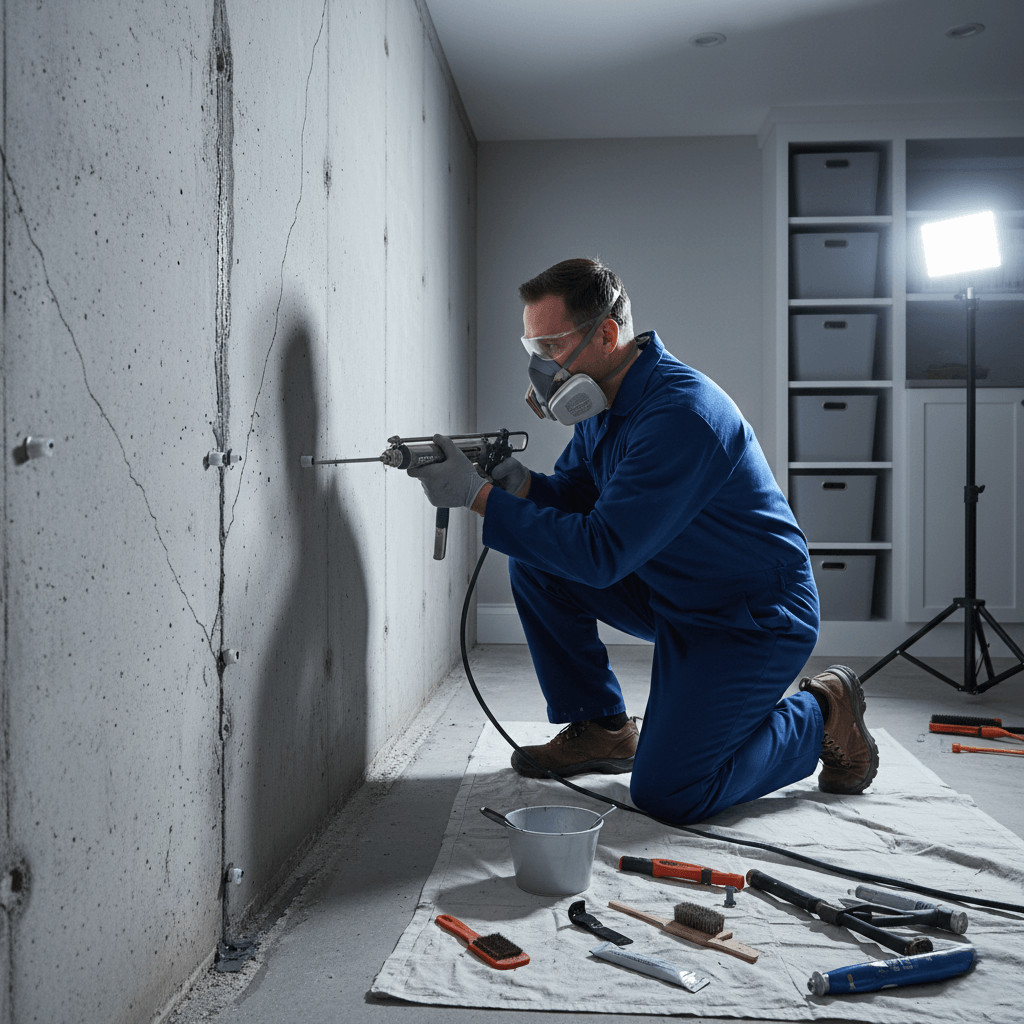
Due to the freeze-thaw cycle in Quincy, the concrete expands and contracts numerous times during the year. As the concrete expands and contracts repeatedly, the surface begins to develop small cracks and pits. When the water enters the cracked area of the concrete, the damage becomes even worse. Water entering the cracks causes the concrete to continue to deteriorate until it is completely destroyed. Resurfacing fixes these cracks and stops the water from continuing to enter the concrete.
Additionally, a polymer-modified overlay creates some flexibility within the new surface, allowing the surface to continue to expand and contract without developing additional cracks. This makes resurfacing one of the best ways for homeowners to fix surfaces that are exposed to the ever-changing New England weather and are located outside their homes.
Concrete Resurfacing Options Available to Quincy Homeowners
There are numerous resurfacing options available to homeowners in Quincy, depending on the specific needs of the homeowner. Standard concrete overlays simply restore the surface of the concrete, while decorative overlays provide a textured, colored finish to the surface of the concrete. Polymer-modified overlays are designed to be more durable and are, therefore, the best option for surfaces that receive heavy traffic. All three options provide a cost-efficient method for homeowners to improve the function and appearance of their concrete without breaking the bank on complete replacement.
Standard Concrete Overlays
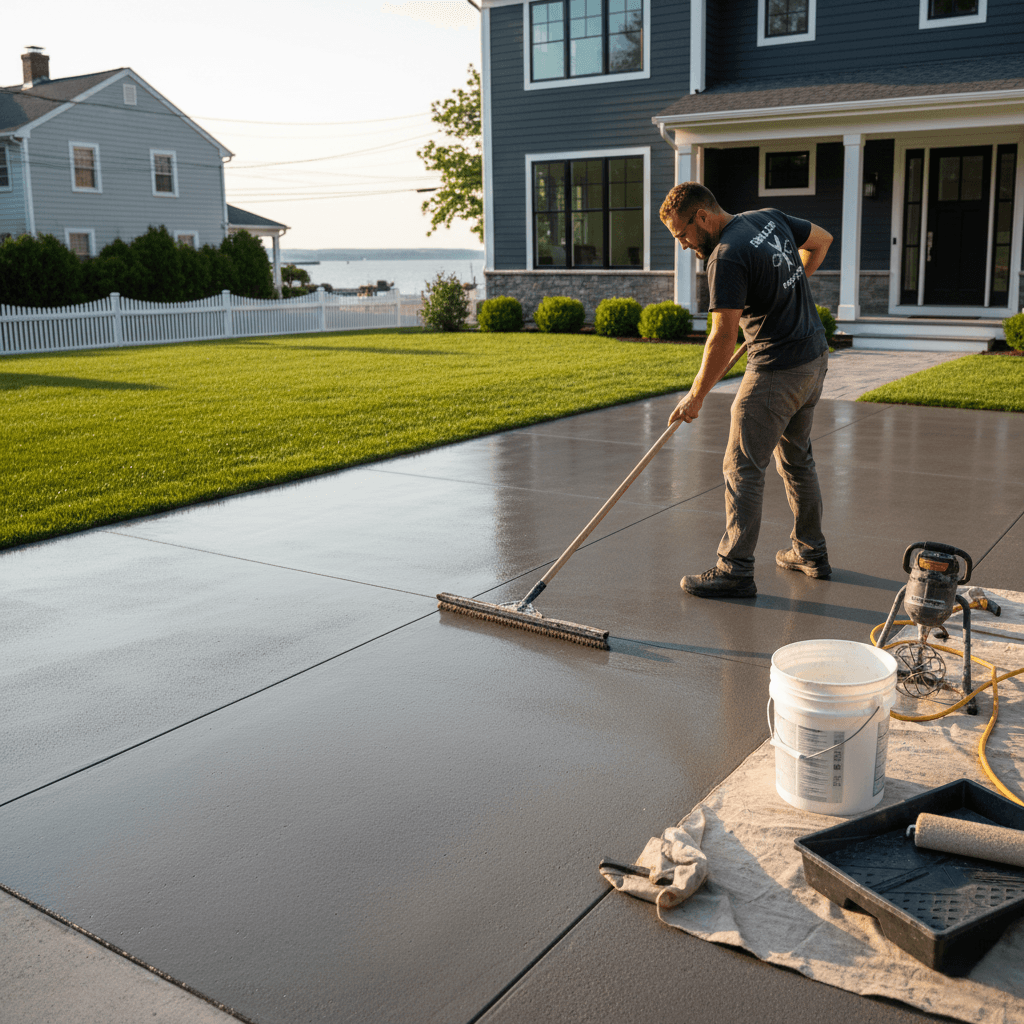
A standard concrete overlay is the simplest form of resurfacing. The process of resurfacing with a standard concrete overlay is simply applying a very thin layer of new concrete on top of the old. The result of a standard overlay is a smooth surface free from cracks and other imperfections that existed before resurfacing. This type of overlay is a budget-friendly option for homeowners who wish to improve the appearance and functionality of their driveways and patios, and is capable of withstanding the harsh coastal conditions of Quincy.
Decorative Resurfacing Options
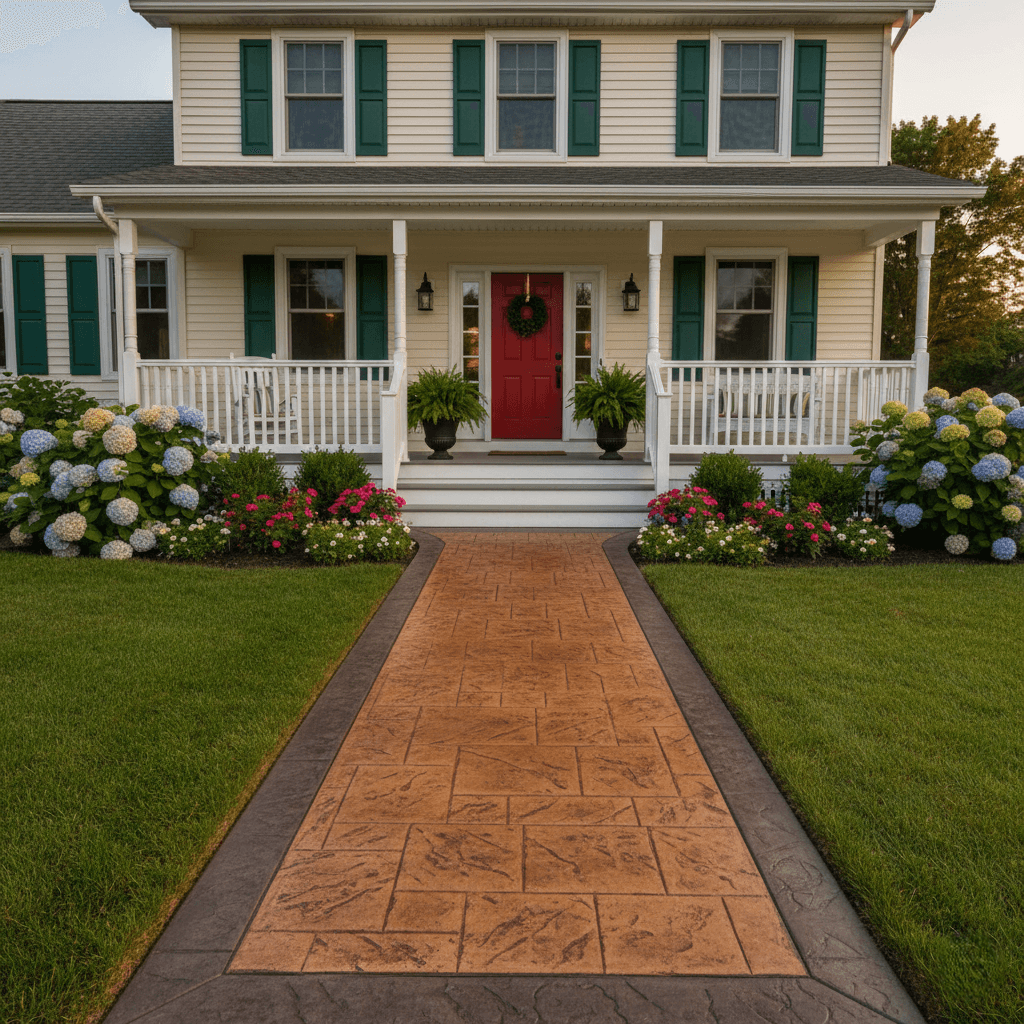
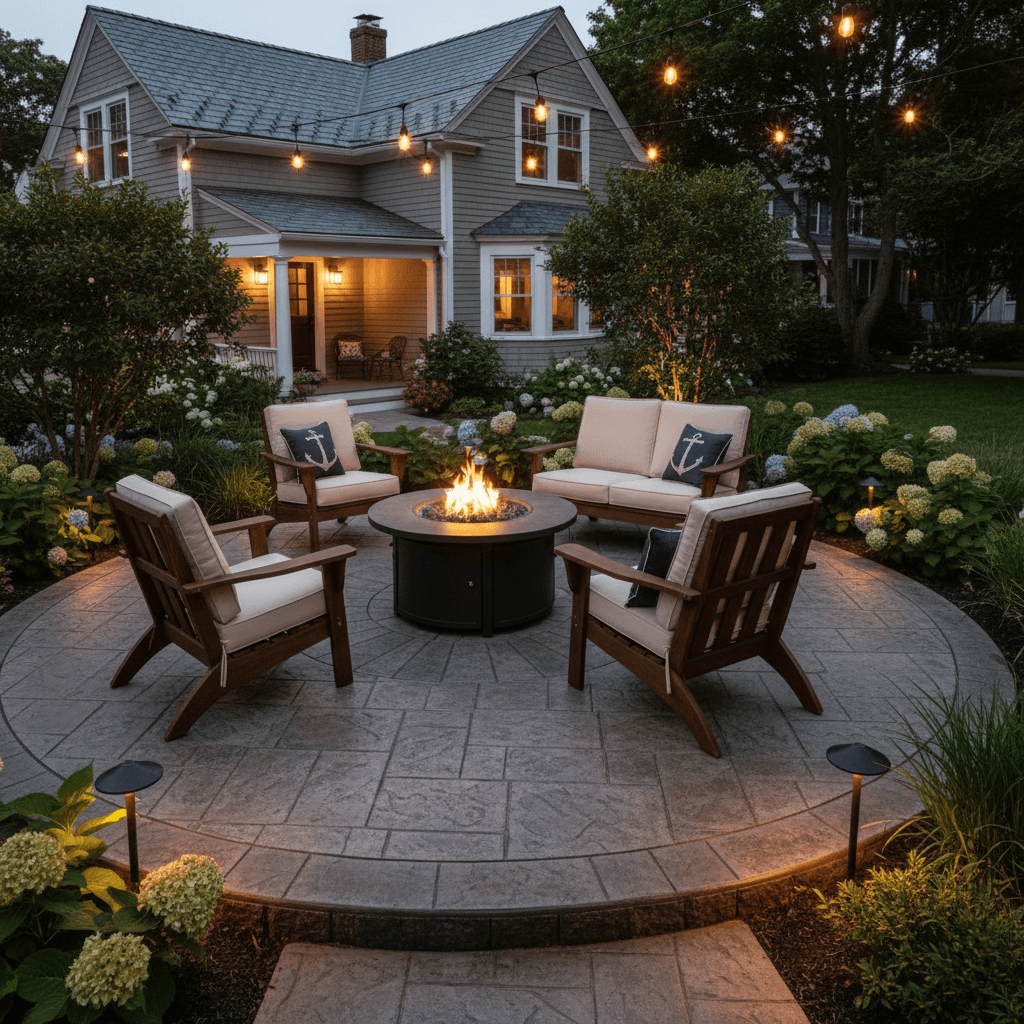
In addition to improving the function of a surface, decorative resurfacing options allow homeowners to enhance the aesthetic appeal of the surface of their patios and walkways. Decorative resurfacing products, such as stamped and stained overlays, give homeowners the ability to achieve the look of natural stone, brick, and tile without the need for complete replacement of the surface. In addition to their visual appeal, decorative resurfacing options provide a durable and long-lasting finish that protects the surface from salt and sand damage. This makes decorative resurfacing options an excellent choice for homeowners in Quincy who desire to improve the curb appeal of their home while providing a protective coating for their outdoor living spaces.
Maintaining Your Resurfaced Concrete Surface
Once your concrete surface has been resurfaced, it is relatively low-maintenance. However, there are certain measures that can be taken to help increase the longevity of your newly resurfaced surface. Regularly sweep the surface to remove any debris that may accumulate on it. Clean the surface using mild soap and water. Re-seal the surface of your resurfaced concrete every 2 to 3 years to protect it from moisture and UV damage. Promptly removing stains caused by salt and sand will help prevent staining and keep your surface looking like new for years to come.
Seasonal Maintenance and Inspection
At the beginning of spring and fall, inspect your resurfaced surface to determine if any damage has occurred during the off-season. If you discover any damage, repair the issue immediately to stop the problem from becoming more severe. Use sand or calcium magnesium acetate instead of deicers that contain sodium chloride (rock salt) when needed to provide traction on icy surfaces. Taking these precautions will help ensure your resurfaced surface continues to be durable and aesthetically appealing throughout the year.
Hiring a Resurfacing Contractor in Quincy
To ensure your resurfacing project is done correctly and up to the standards set by the city of Quincy, hire a professional contractor who specializes in resurfacing. Look for contractors who have experience with resurfacing in the Quincy area. Ask contractors to provide you with references and images of their previous work, specifically any work they have done repairing damage from salt and sand. A reliable contractor will provide you with a comprehensive quote for their services and describe the resurfacing process in detail. They should also provide you with a warranty on their work.
Questions to Ask Contractors Before Hiring Them
When interviewing potential contractors for your resurfacing project, there are a number of questions you should ask to determine whether or not the contractor is knowledgeable and experienced enough to properly complete the project. Some of the questions you may consider asking include: Have they worked with resurfacing concrete in the Quincy area? Do they specialize in polymer-modified overlays? What type of sealant do they recommend for long-term protection? How will they handle any unexpected problems that arise during the project, such as extensive cracking or inclement weather? If the contractor is able to answer all of your questions clearly and confidently, they will likely provide you with the highest level of service possible.
Cost and Long-Term Benefits of Resurfacing
Resurfacing is substantially cheaper than complete replacement and typically ranges from $3 to $10 per square foot. While decorative overlays may be more expensive, they can increase the value of your home. Add the money saved from reduced maintenance and repairs over time to your budget, and many homeowners will agree that resurfacing is an inexpensive and worthwhile investment in the preservation of their concrete surfaces.
Estimating Costs for Your Project
Acquire estimates from qualified contractors to compare prices and services. Some contractors offer financing or discounts for larger projects, making it more feasible to invest in quality resurfacing. Prioritize durability and craftsmanship to ensure your resurfaced concrete increases the value and usability of your home for years to come.
Conclusion: Improving Your Concrete Surfaces with Resurfacing
Resurfacing is a viable and affordable option for Quincy homeowners looking to resolve salt and sand-related damage to their concrete surfaces. When choosing a contractor and materials for your resurfacing project, you will be able to restore your concrete surfaces to their original state, extend their life expectancy, and increase the aesthetic appeal of your home. At Quincy Solid Concrete, we specialize in resurfacing solutions that combine long-term durability, beauty, and value, customized to meet the unique demands of our community.
LATEST POSTS